Streaming made pickleball easy to watch. It did not make people care. That gap is where the sport now lives.
Key takeaways:
- Distribution is largely solved for pickleball
- Fandom is built through repeat engagement, not access alone
- Moments, not full matches, increasingly drive retention
Pickleball is already where it needs to be.
Matches are streamed. Clips are shared. Tournaments are easy enough to find if you want them.
For a long time, that was the goal.
It is no longer the problem.
Access was the easy part
The old assumption was simple. If people can watch, they will watch. And if they watch, they will come back.
That logic made sense when access was limited. It makes less sense when access is constant.
Now everything is available. Which means everything is competing.
Pickleball is not just competing with tennis or padel or another emerging racket sport. It is competing with everything else on the same screen.
That is why the conversation around modern pickleball media and presentation cannot stop at visibility. Being available is only the entry point. It is not the win.
If you’re following how the sport is changing on and off the court, the World Pickleball Report breaks it down every Wednesday.
Fandom is built differently now
What turns a viewer into a follower is not exposure on its own.
It is repetition.
Not necessarily full matches. Not necessarily long broadcasts. Moments.
A match point that appears at the right time. A rally that travels beyond the core audience. A player who keeps showing up inside those moments until they become familiar.
That is how recognition forms. That is how habit builds. Not through simple availability, but through return.
This is the part many emerging sports get wrong. They assume visibility creates fandom. In reality, visibility only creates the chance for fandom to begin.
Where formats like FireFight fit
This is where formats like the FireFight Zone start to make sense.
Not mainly as a solution to broadcasting. As a response to behaviour.
If viewers are not sitting through full matches, the product shifts towards the moments they will stay for. Faster cuts. More switching. Less waiting. More emphasis on the points where something actually changes.
That connects directly to our earlier argument that streaming itself is no longer the battleground. The bigger fight starts after the stream is already there.
It also makes article-level questions about live presentation, such as how tournaments are shown and sold to viewers, more important than they might have looked even a year ago.
The risk in chasing moments
There is a cost to this.
Once a sport starts to optimise for moments, it also starts to change what gets valued.
Consistency can matter less than visibility. Narrative becomes harder to hold. Matches begin to arrive as fragments rather than full stories.
You gain reach inside the stream.
You risk losing depth outside it.
That tension is not unique to pickleball. But pickleball is still early enough in its development that the decisions being made now will shape the kind of sport it becomes to follow.
That matters not just for viewers, but for the wider player ecosystem and recognition cycle that grows around repeated exposure.
What this means
Pickleball does not need more people to find it.
It needs more people to come back to it.
That is a different challenge entirely.
Reach gets you attention once. Fandom is built when attention returns.
Streaming solved the first part.
The second part is still open.
The sport is already easy to watch.
The question is whether it becomes hard to ignore.
For a clearer view of where the sport is heading each week, you can join the World Pickleball Report here.
Further Reading
- Latest pickleball news from around the world
- Tournament coverage and results
- Rankings and player profiles
- Regional pickleball coverage
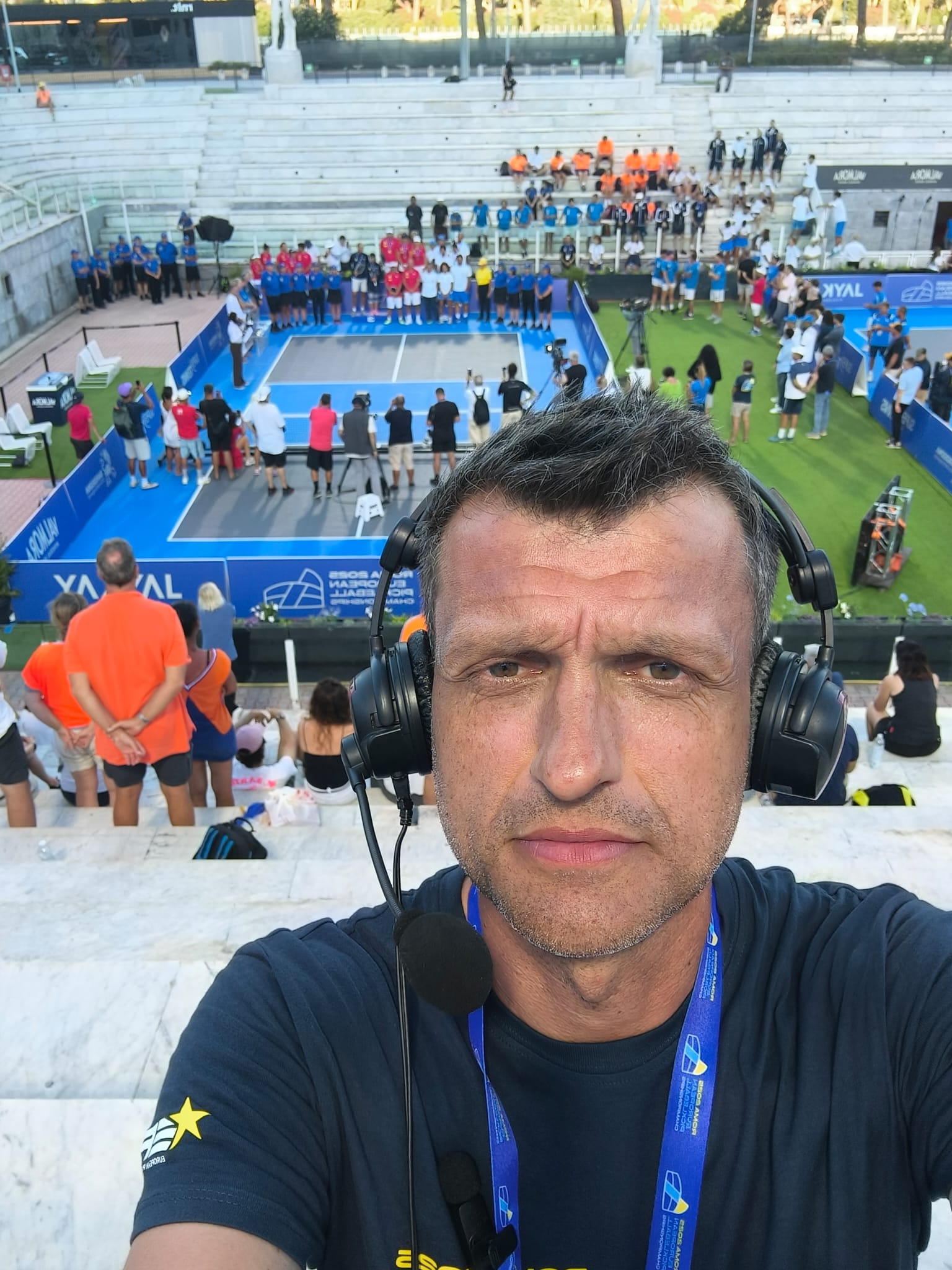
Chris Beaumont
Founder and Editor-in-ChiefChris Beaumont is the founder and Editor-in-Chief of World Pickleball Magazine. Chris follows the global game closely, reporting on the latest news, developments, stories and tournaments from all five continents. He also hosts the World Pickleball Podcast, interviewing people at…
View All Articles →