Streaming didn’t sneak up on television. It replaced it.
According to Nielsen, streaming accounted for 47.5 per cent of all TV viewing in the United States in December 2025, holding at 47.0 per cent into January. On Christmas Day, it pushed further — 54 per cent of all viewing, driven by 55.1 billion minutes watched in a single day.
That shift settles one question. But it creates a more important one: When everything is available, what actually gets watched?
Key Takeaways
- Streaming now accounts for nearly half of all US TV viewing — the distribution battle is over, but the attention battle is just beginning.
- Pickleball has live moments but lacks the post-event depth — breakdowns, conversations, and second-life content — that keeps audiences engaged.
- The sports that win in streaming aren’t the most available — they’re the ones that design moments people can’t ignore.
Access Is No Longer the Problem
For years, smaller sports chased distribution. Get on TV. Get a deal. Get visibility.
That problem is now solved. Pickleball is on screens. So is everything else.
The problem now is attention.
The New Reality: Attention Is Built, Not Found
That Christmas Day spike wasn’t random. It was constructed. Live NFL games pulled viewers in. Major releases kept them there. One moment fed the next.
This is how modern viewing works. Not passive. Layered. Intentional.
If you’re following how the global game is shifting week by week, the World Pickleball Report breaks this down every Wednesday.
The Concept That Matters: Spike Design
In this environment, success doesn’t come from more content. It comes from concentrated moments of attention.
Build the moment. Extend the moment. Let the audience carry it forward.
How Those Moments Are Built
Every successful spike follows the same pattern:
The Moment — Live sport still matters. You either watch now, or you miss it.
The Depth — Once you’re in, there’s somewhere to go. Matches. Rivalries. Stories.
The Conversation — This is the difference. Clips. Breakdowns. Arguments. Reactions. This is where attention multiplies.
Where Pickleball Is Right Now
Pickleball has the moment. It has: finals, tournaments, real competition.
What it doesn’t consistently have is what comes after.
Too often, the pattern is simple: Match played. Result posted. Attention gone. No depth. No conversation. No second life.
What Has to Change
If pickleball wants to grow as a media property, this is the shift.
1. Build Immediate Depth — One match should lead to five more. Not through algorithms. Through intention.
2. Encourage Interpretation — Not just highlights. Breakdowns. Opinions. Disagreement. The sport doesn’t need more content. It needs more conversation.
3. Treat Every Event Like It Matters — Not everything is equal. But the best sports make their moments feel that way. That’s not coverage. That’s design.
Why This Decides Everything
Because the economics have already moved. Advertising follows attention. Attention follows engagement. And engagement comes from: how long people stay, how often they return, how much they talk.
Final Thought
Pickleball doesn’t need more visibility. It needs more moments that people care about.
Because in this version of sport, the winners aren’t the ones who are available. They’re the ones who are impossible to ignore.
This article appeared in the April 2026 issue of World Pickleball Magazine.
If you want the full breakdown, including deeper analysis, additional insights, and exclusive content, you can download the full April issue of World Pickleball Magazine here:
Further Reading
- Latest pickleball news from around the world
- Tournament coverage and results
- Rankings and player profiles
- Regional pickleball coverage
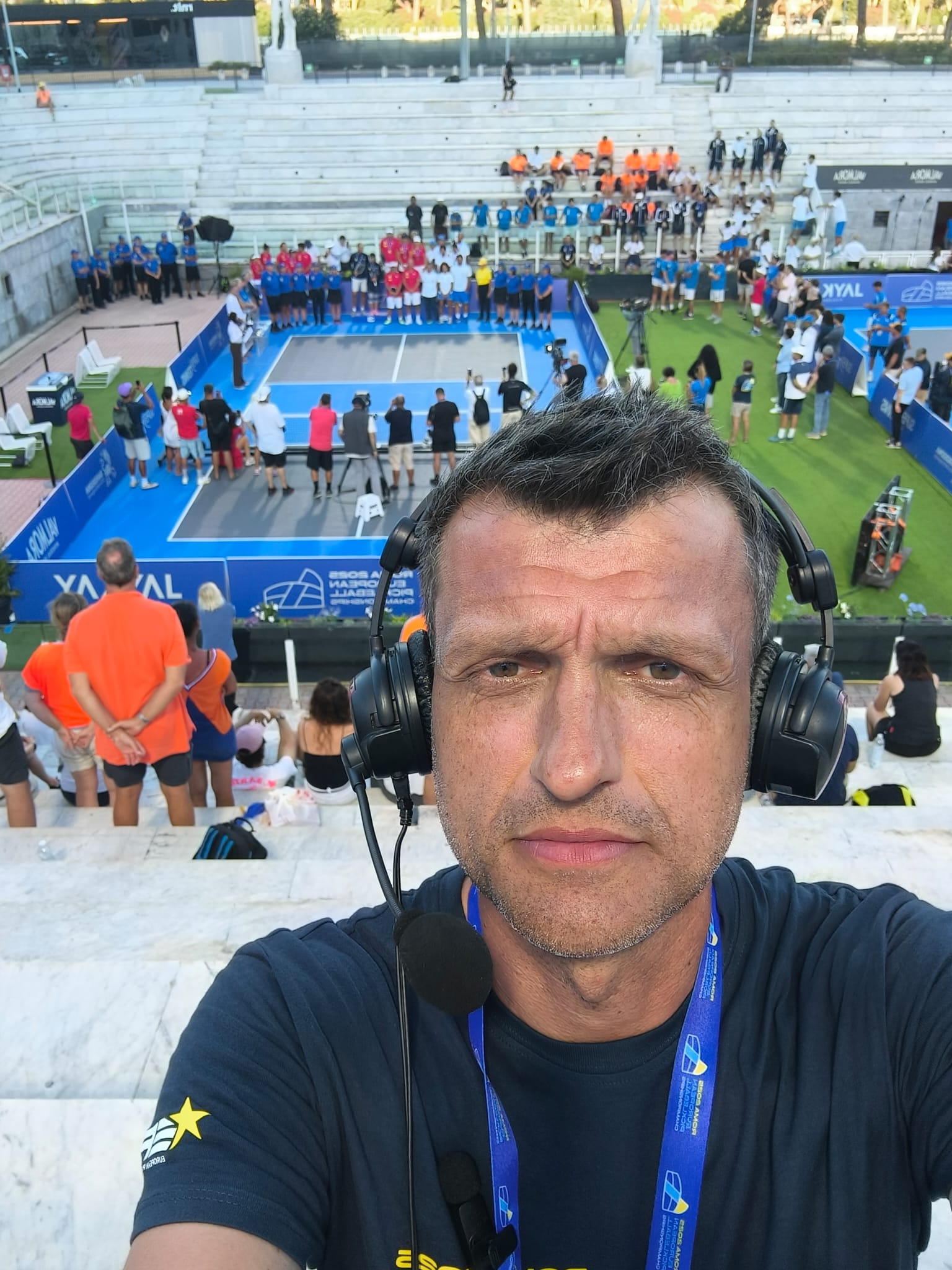
Chris Beaumont
Founder and Editor-in-ChiefChris Beaumont is the founder and Editor-in-Chief of World Pickleball Magazine. Chris follows the global game closely, reporting on the latest news, developments, stories and tournaments from all five continents. He also hosts the World Pickleball Podcast, interviewing people at…
View All Articles →