
American pickleball still controls the sport’s centre of gravity. But India is combining scale, structure, and investment in a way that could test that dominance for the first time.
Key takeaways
- The US remains the undisputed centre of professional pickleball
- India already has massive participation scale across a rapidly growing base
- The combination of structure, leagues, and scale could create real pressure over time
Enjoying our coverage?
The March 2026 issue of World Pickleball Magazine is now live, featuring global league developments, tournament analysis, exclusive interviews, and stories from across the international pickleball community.
Follow @worldpickleballmagazine on Facebook and Instagram for daily pickleball news, and listen to the World Pickleball Podcast on Spotify, iTunes, and other major podcast platforms.
The United States owns pickleball.
It just hasn’t had to defend it yet.
That is not controversial. It is simply how the sport has grown. The PPA Tour and Major League Pickleball still define the professional calendar. The best players are based there. The visibility, the sponsorship, and the structure at the top end all point in the same direction.
If you want to reach the highest level of the sport, you still have to go through the United States.
What is less discussed is how that dominance has formed.
It has not come through sustained competition with rival systems. It has grown quickly, fuelled by investment, player migration, and the natural advantage of being the sport’s original centre of gravity. The US has not needed to defend its position, because there has not been anything organised enough to challenge it.
That may be starting to change.
The next phase is not growth. It is pressure.
The next phase of pickleball will not be defined by how many people pick up a paddle.
It will be defined by which countries can organise that participation into something more structured.
India is the clearest example of that shift.
Through the Indian Pickleball Association, the country is attempting to build a pathway rather than relying on organic growth.
For now, the US does not need a system. It has a market.
That will not always be enough.
India is not just building a system. It already has scale.
A recent study by UPA Asia and YouGov suggests that more than 178 million people in India are playing pickleball at least once a month. Across Asia, more than 800 million people have tried the sport.
These are not professional players. But they represent something more important — a base large enough to matter if it is organised properly.
The United States still has the deepest competitive ecosystem.
India may already have the raw scale to build something different.
And now it is trying to build a stage for it
The emergence of the World Pickleball League and the Indian Pickleball League points to a deliberate attempt to build a domestic spectacle alongside a development pathway.
The US has the strongest tour ecosystem in the world.
India is trying to connect grassroots scale, player development, and broadcast-level competition all at once.
Structure changes everything
The biggest threat to dominance is not talent.
It is scale that becomes structured.
India is not alone in this, but it is the clearest example of it happening at speed.
What happens when dominance is finally tested
The United States still owns the sport.
But if India can turn participation into structure, and structure into consistent talent, the question will not be whether it becomes relevant.
It will be how long it takes to matter at the very top.
Stay ahead of the global game by signing up for the World Pickleball Report.
Further Reading
- Latest pickleball news
- Global pickleball development
- Tour and league coverage
- Player rankings and profiles
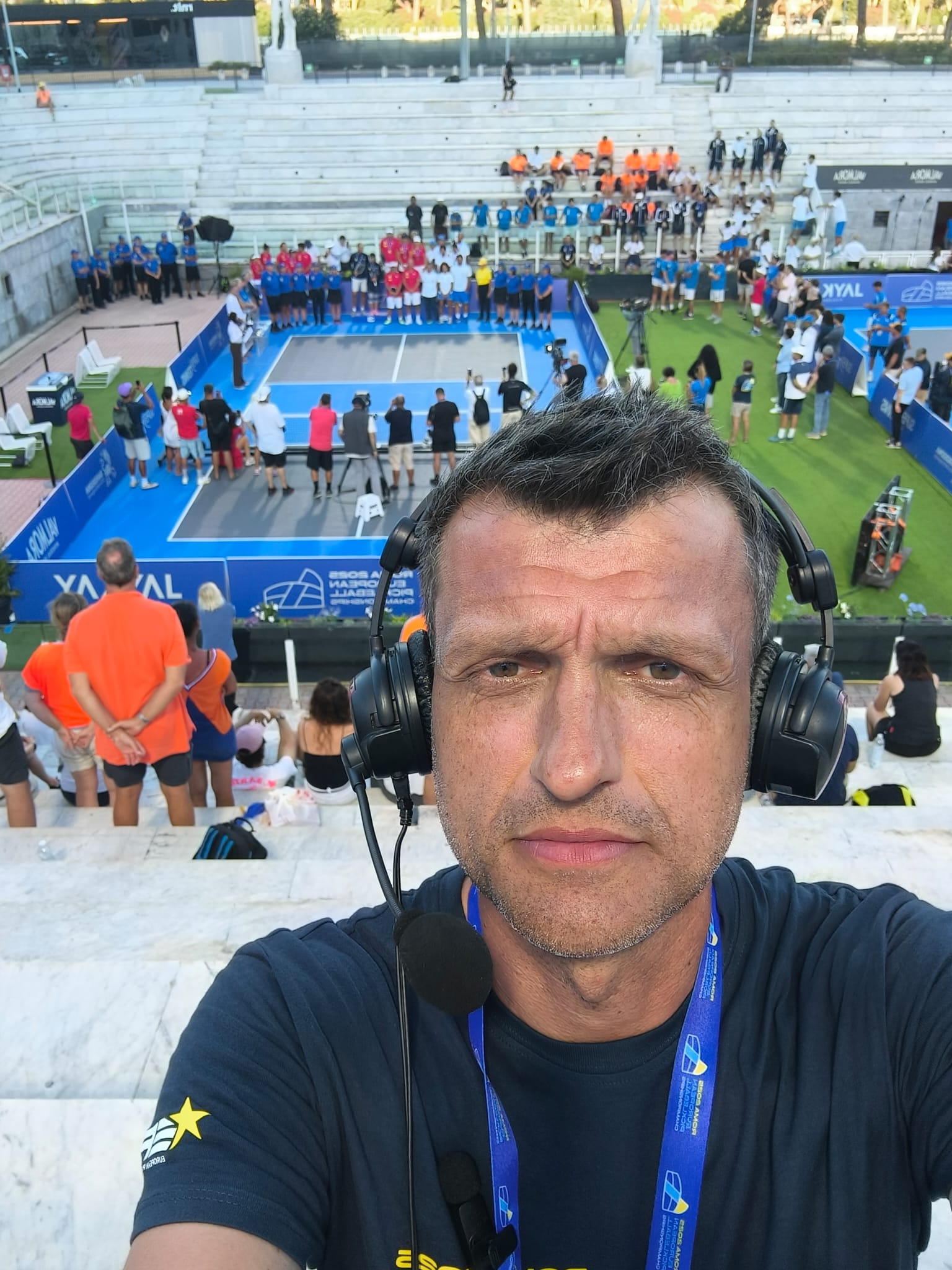
Chris Beaumont
Founder and Editor-in-ChiefChris Beaumont is the founder and Editor-in-Chief of World Pickleball Magazine. Chris follows the global game closely, reporting on the latest news, developments, stories and tournaments from all five continents. He also hosts the World Pickleball Podcast, interviewing people at…
View All Articles →