The Sacramento Open has already moved beyond its opening phase. Wednesday’s matches are not about settling into the tournament. They are where the week starts to take shape.
- The Round of 32 already carries more weight than its position suggests
- Several players arrive having already been tested, not eased in
- These matches will shape how the rest of the draw feels, not just how it looks
This Round Is Starting to Shape the Tournament
The Round of 32 usually reduces a field.
In Sacramento, it is starting to shape it.
Tuesday pushed enough matches beyond routine to change what Wednesday represents. This is no longer about progression alone.
It is about who can come through without losing control of their week.
If you’re following how the global game is shifting week by week, the World Pickleball Report breaks this down every Wednesday.
1. Ben Johns vs JW Johnson (Men’s Singles)
This is the kind of match that usually clears a draw.
Here, it is just getting started.
There is no easing into it, no gradual rise in level. From the first few rallies, this becomes a question of control. Tempo, shot selection, patience.
The winner does more than advance. They establish authority over a section of the bracket that suddenly feels open to pressure.
2. Jack Sock vs Mota Alhouni (Men’s Singles)
This is where Tuesday carries forward.
Alhouni arrives with a proper win behind him, having already been forced to solve a match. That matters more than seeding in this round.
Sock’s challenge is different. He has to impose himself immediately, without the benefit of having played through the conditions.
If the match stretches, the advantage shifts.
3. Gabriel Tardio / Ben Johns vs Morris / Mercado (Men’s Doubles)
This is not about rankings. It is about readiness.
Morris and Mercado have already had to absorb pressure and respond to it. They have played through difficult moments.
Tardio and Johns step in fresh, but that freshness can be fragile early in doubles, where timing matters as much as quality.
If the first few games are tight, this becomes a match rather than a formality.
4. JW Johnson / Jorja Johnson vs Yang / Igleski (Mixed Doubles)
Mixed does not wait for rhythm.
This is a format where coordination either appears quickly or not at all.
The Johnson pairing carries expectation, but Yang and Igleski arrive with something more useful at this stage.
They have already settled into the tournament.
If they hold early exchanges, this match moves away from script.
5. Catherine Parenteau vs Aiko Yoshitomi (Women’s Singles)
This is the one most likely to be ignored.
It shouldn’t be.
Parenteau is expected to progress, but this is the type of match that forces adjustment. Yoshitomi has the control to extend rallies and the patience to disrupt flow.
Matches like this rarely explode. They shift slowly.
And that is often where problems begin.
What These Matches Actually Tell Us
Individually, each match carries its own story.
Together, they point to something more subtle.
The draw may still look intact by the end of the day.
But it will not feel the same.
Players who come through cleanly carry more than a result. They carry control into the rest of the week.
Those who are extended, even in victory, leave something behind.
The First Signs of a Shift
By the end of Wednesday, the names in the draw may not have changed dramatically.
But the balance will have.
And that is usually the first sign that something is about to shift.
For a clearer view of where the sport is heading each week, you can join the World Pickleball Report here.
Further Reading
- Latest pickleball news from around the world
- Tournament coverage and results
- Rankings and player profiles
- Regional pickleball coverage
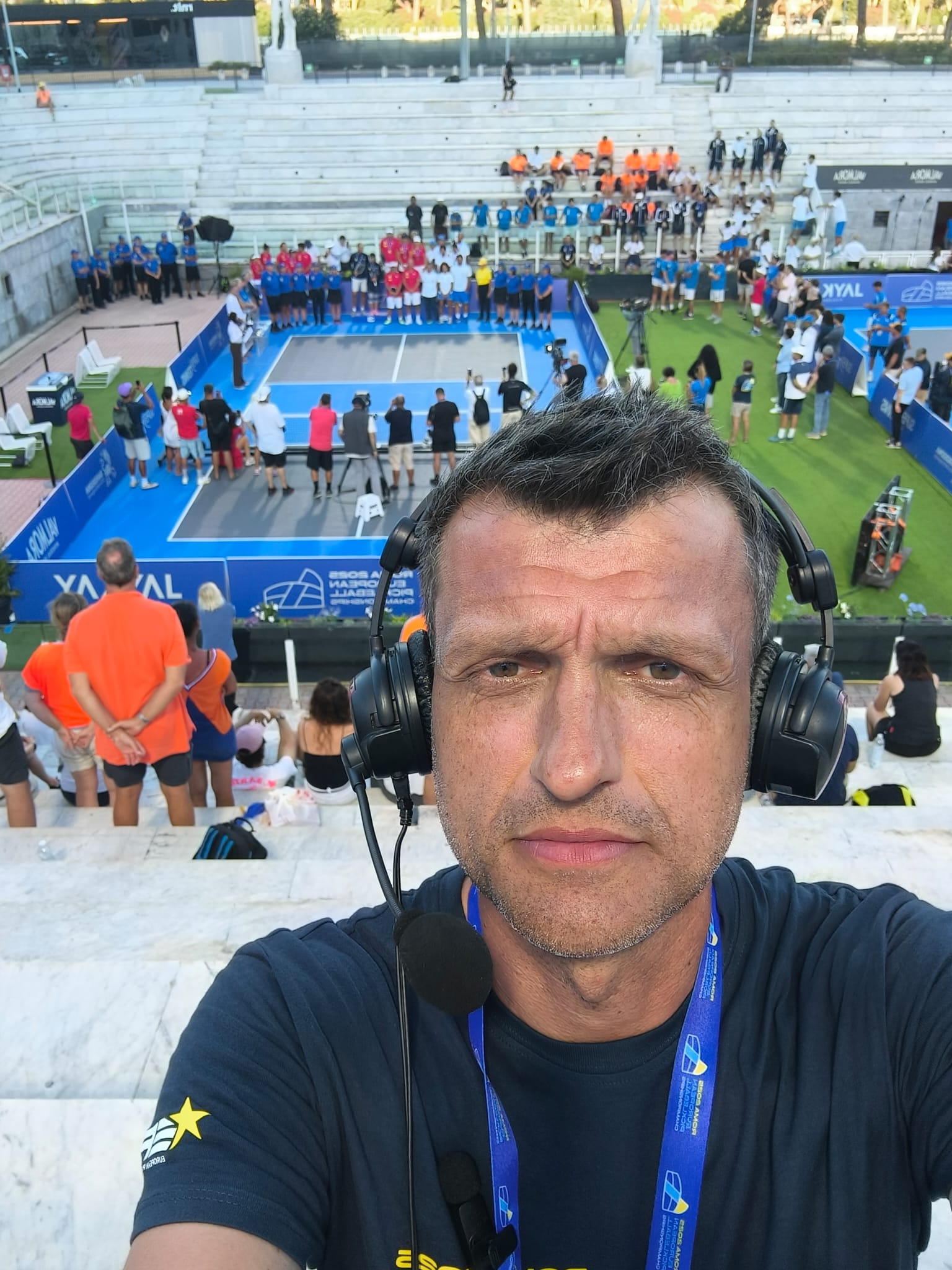
Chris Beaumont
Founder and Editor-in-ChiefChris Beaumont is the founder and Editor-in-Chief of World Pickleball Magazine. Chris follows the global game closely, reporting on the latest news, developments, stories and tournaments from all five continents. He also hosts the World Pickleball Podcast, interviewing people at…
View All Articles →