This week’s episode is not about results. It is about what the sport is becoming.
The latest World Pickleball Podcast does not try to cover everything.
It locks onto something more important.
Pickleball is growing fast. But the strain is starting to show.
Chris Beaumont and Gordon Watson use the MB Hanoi Cup as their anchor, but the conversation quickly moves beyond the draw. This is an episode about pressure. On players, on structures, and on a sport that is trying to scale without quite settling how it should work.
Waters steps back, and the calendar comes into focus
Anna Leigh Waters withdrawing from women’s singles in Hanoi is the starting point.
Not because it changes the tournament. But because of what it represents.
Eight events in three months. Regular deep runs across three disciplines. A long-haul flight into Asia. At some point, something has to give.
Gordon leans towards understanding. Waters is not a normal case. She is competing more, winning more, and carrying more than anyone else in the game. Fatigue was always going to arrive.
Chris takes a harder line.
If Hanoi is being positioned as a key international moment, then this is not the event where you quietly step away from singles. Not if the sport is serious about building a global audience.
That tension sits at the heart of the debate. Player management versus product integrity.
And it is not going away.
Phuc Huynh pushes back, and the structure gets questioned
If Waters highlights physical strain, Phuc Huynh exposes structural strain.
His decision not to play in Hanoi opens a different conversation. One that goes straight to the core of PPA Asia.
Exclusivity. Protected players. Qualifying routes. Who gets in, and how.
Chris and Gordon do not dismiss the PPA’s position. If you are investing heavily, you want control. That is understandable.
But Asia is not the United States.
This is a developing ecosystem, not a mature one. And asking regional players to limit where they compete, while also asking them to fight through qualifiers against a protected group, creates friction.
Huynh’s stance matters because it feels considered, not reactive.
And more importantly, it raises a question the sport cannot avoid for long:
Are we building a global tour, or exporting an American model and expecting it to fit everywhere?
Hanoi on court: progress, pressure and thin margins
The results in Hanoi give the debate some context.
Ly Hoang Nam’s win over Christian Alshon is discussed, but not overplayed. The disputed line call is acknowledged, then parked. The more important point is that Nam is not just participating. He is competing.
That theme runs through the draw.
Eunggwon Kim and Hong Kit Wong beating Tyson McGuffin and Riley Newman is not just an upset. It is a signal. So is Mitchell Hargreaves’ run. So is the way multiple matches are being pushed deep, even when the favourites come through.
Asia is no longer waiting to catch up. It is starting to land blows.
But the gap is still there.
And that leads to one of the sharper observations in the episode.
The real gap is not getting closer. It is getting harder to close
Chris Haworth becoming world number one in men’s singles provides the bridge to the wider game.
On paper, it looks like movement. New names, new outcomes, more competition at the top.
In reality, something else is happening.
The chasing pack are getting closer. They are getting into winning positions. They are taking games, building leads, applying pressure.
But they are not finishing.
Anna Leigh Waters coming back from 10-0 down against Kate Fahey. Mixed doubles runs that swing hard, then stall at the line. Opportunities that appear once, then disappear.
At the very top level, you do not get two chances.
That is the difference. And it is still holding.
A sport moving forward, without all the answers yet
What makes this episode worth listening to is not any single result.
It is the sense that multiple storylines are starting to connect.
The schedule is tightening.
The structures are being questioned.
New regions are pushing into relevance.
The top is still dominant, but no longer comfortable.
Pickleball is not just growing.
It is starting to feel the consequences of that growth.
And that is where it gets interesting.
What’s covered in this episode
- Anna Leigh Waters withdrawing from singles in Hanoi
- The pressure of the current professional schedule
- Phuc Huynh’s boycott and PPA Asia structure
- Ly Hoang Nam’s win over Christian Alshon
- The line-call debate in elite pickleball
- Kim and Wong’s doubles statement win
- Mitchell Hargreaves’ run
- Chris Haworth becoming world No.1
- Why top players remain so difficult to finish against
Listen to the latest episode and stay ahead of the global game with the World Pickleball Report.
Further Reading
- Latest pickleball news
- Tournament coverage
- Player rankings and profiles
- Global pickleball development
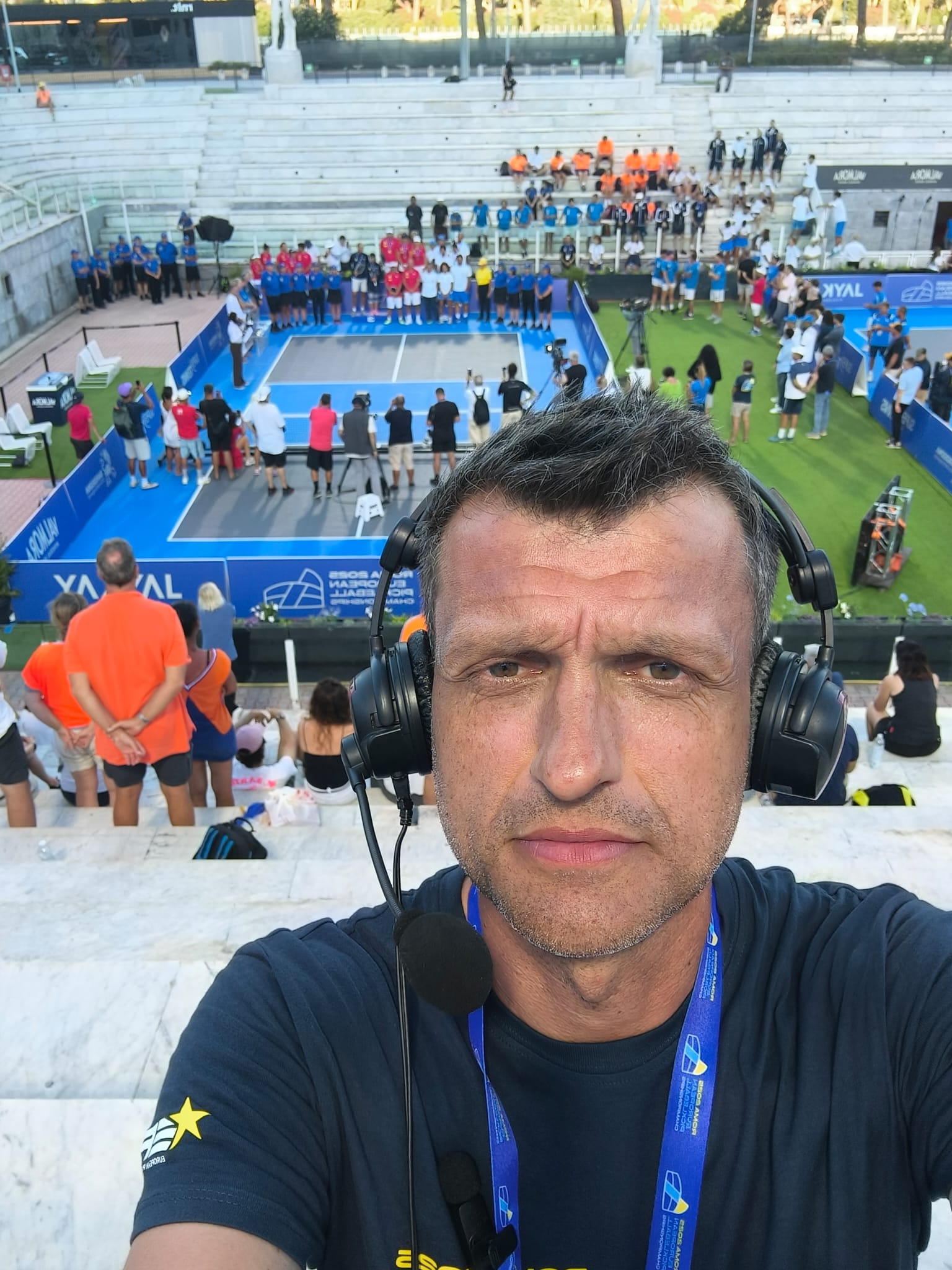
Chris Beaumont
Founder and Editor-in-ChiefChris Beaumont is the founder and Editor-in-Chief of World Pickleball Magazine. Chris follows the global game closely, reporting on the latest news, developments, stories and tournaments from all five continents. He also hosts the World Pickleball Podcast, interviewing people at…
View All Articles →