The One-Decision Rally: How a Single Poor Choice Ends Most Pickleball Points
Most rallies are not lost because of technical weakness. They are lost because of one poor decision.
A rushed speed-up. A forced drop. A crosscourt dink attempted from poor balance. The error often feels mechanical, but the root is strategic.
Understanding how single decisions determine outcomes is essential for consistent match performance.
The Decision Chain
Every rally is a chain of micro-decisions:
- Where to serve
- How deep to return
- Whether to drop or drive
- When to speed up
Break the chain once and momentum flips.
If rallies often feel short in your matches, you may also benefit from reading Why Pickleball Rallies End After 3 Shots.
Why Players Make the Wrong Call
- Ego-driven aggression
- Scoreboard pressure
- Impatience during neutral exchanges
- Fatigue
Decision-making improves when positional fundamentals are stable. Review core foundations and tactical structure to anchor your choices.
Next Session Drill: The Neutral Rally Discipline Game
- Play to 11.
- No speed-ups allowed until 6 shots have been exchanged.
- After each rally, identify the decision that ended it.
This builds awareness rather than reactive play.
Pattern Recognition
Strong players notice patterns: opponents leaning middle, drifting wide, overusing crosscourt dinks.
One correct decision at the right moment is more powerful than constant aggression.
FAQs
How do I improve decision-making in pickleball?
Slow rallies down in practice and review patterns instead of focusing only on winners.
Is aggression always bad?
No. Mistimed aggression is costly. Structured aggression is effective.
Why do I make worse decisions under pressure?
Pressure narrows perception and speeds thinking. Training disciplined patterns reduces panic.
Further Reading
- Learn Pickleball
- Tactical Strategy Guide
- Match Play Drills
- Player Levels Explained
- European Pickleball Development
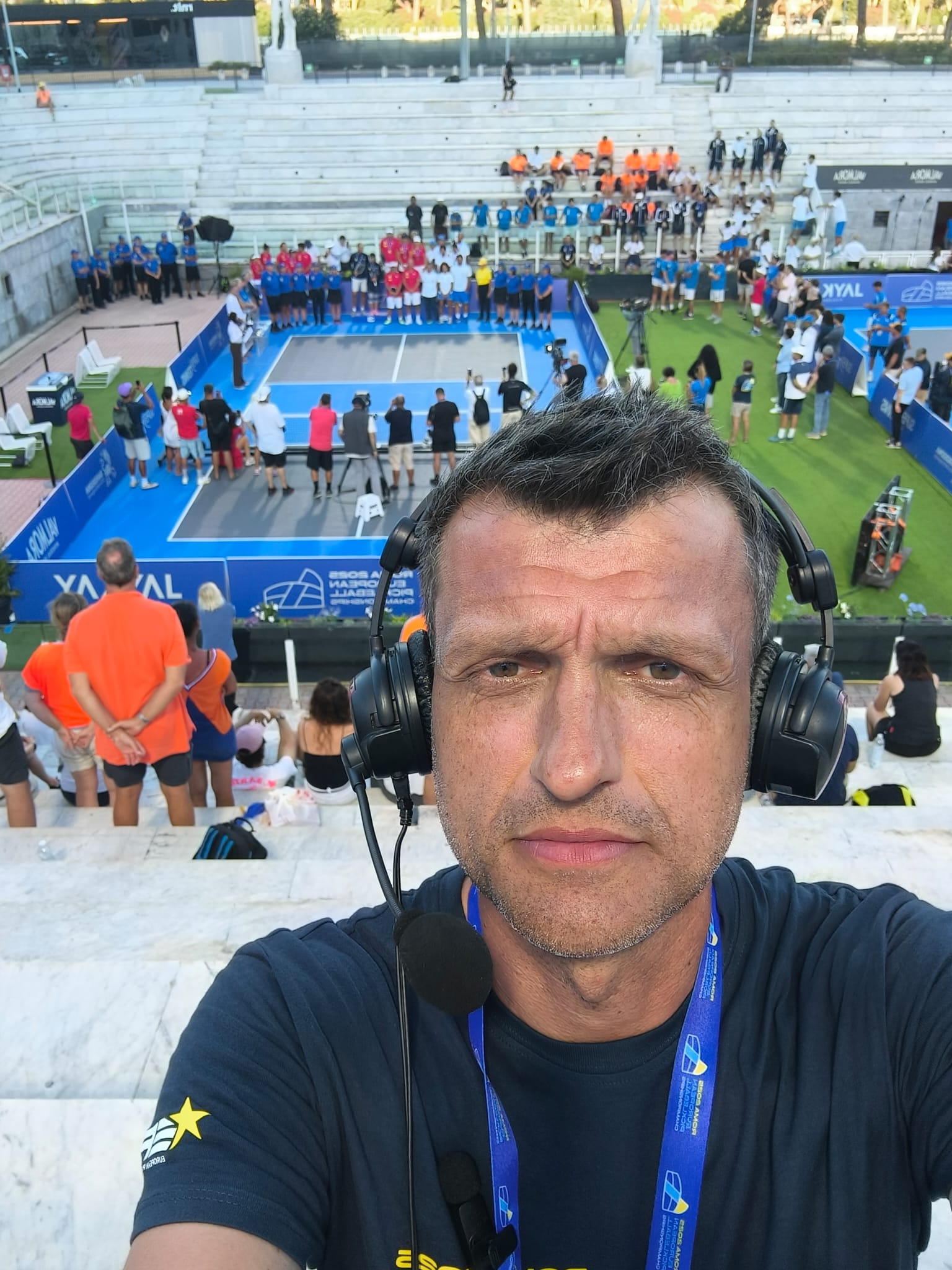
Chris Beaumont
Founder and Editor-in-ChiefChris Beaumont is the founder and Editor-in-Chief of World Pickleball Magazine. Chris follows the global game closely, reporting on the latest news, developments, stories and tournaments from all five continents. He also hosts the World Pickleball Podcast, interviewing people at…
View All Articles →