
A match that refused to end. A result that cannot be dismissed. Hanoi did more than crown winners. It shifted the tone.
Key Takeaways
- Kaitlyn Christian saved match points and overturned a match she had already lost.
- Hoang Nam Ly led an all-Vietnamese final that signals a real shift in singles.
- American control in doubles remains, but the balance is starting to move elsewhere.
For long stretches on Sunday, everything in Hanoi felt predictable.
The favourites were in control. The structure held. The outcomes were following the expected path.
Then it stopped behaving.
A Final That Refused to Finish
Kaitlyn Christian did not turn the women’s final around. She took it back from a position where it no longer belonged to her. A set down, trailing 2-8 in the second, and facing match points, this was not a contest drifting away. It was already gone.
Brooke Buckner had done the hard work. She controlled the rallies, dictated the pace, and twice stood one point from finishing it.
What followed was not tactical. It was refusal.
Christian saved both match points at 11-10 and 12-11, forced a decider, and then found herself in the same position again. Down 4-9, with the match slipping for a second time, the ending felt inevitable.
It wasn’t.
Seven unanswered points later, the match was over.
At this level, matches are not always won through control. Sometimes they are decided by who is still willing to take them when they should already be finished.
The Result That Felt Bigger Than the Score
That idea did not stay in the women’s draw.
Hoang Nam Ly’s 11-5, 11-6 win over Hien Truong carried none of the same drama, but it pointed in the same direction. This was the first all-Vietnamese final on the PPA Tour Asia circuit, and it did not feel like an exception.
It felt comfortable.
Ly controlled the match without urgency, backing up his Hangzhou title with a performance built on clarity rather than emotion. There was no sense of a moment being seized. It was handled.
That matters more.
Because the significance of Hanoi is not just that a home player won. It is how normal it started to look.
The Familiar Order Still Holds, But Not Everywhere
The doubles draws offered reassurance to the established order. Anna Leigh Waters and Anna Bright continued their dominance. Ben Johns secured his first men’s doubles gold in Asia with Gabriel Tardio, then added mixed gold with Waters.
That part of the sport still holds its shape.
Singles does not.
Across the tournament landscape, singles is increasingly where the first signs of change appear. Hanoi did not look like a one-off story from one stop on the calendar. It looked like part of a wider shift across the global game.
Why It Matters
Expansion into Asia has often been framed as opportunity. Hanoi suggested something less comfortable. The level is rising, and it is beginning to show in results that cannot be explained away.
The margin that once protected the top tier is thinning, particularly in singles. These are no longer isolated results. They are part of a pattern.
For more sharp global coverage like this, you can subscribe to the World Pickleball Report.
Hanoi did not produce an upset. It exposed how close the rest of the world is getting.
Further Reading
- Latest pickleball news from around the world
- Tournament coverage and results
- Rankings and player profiles
- Regional pickleball coverage
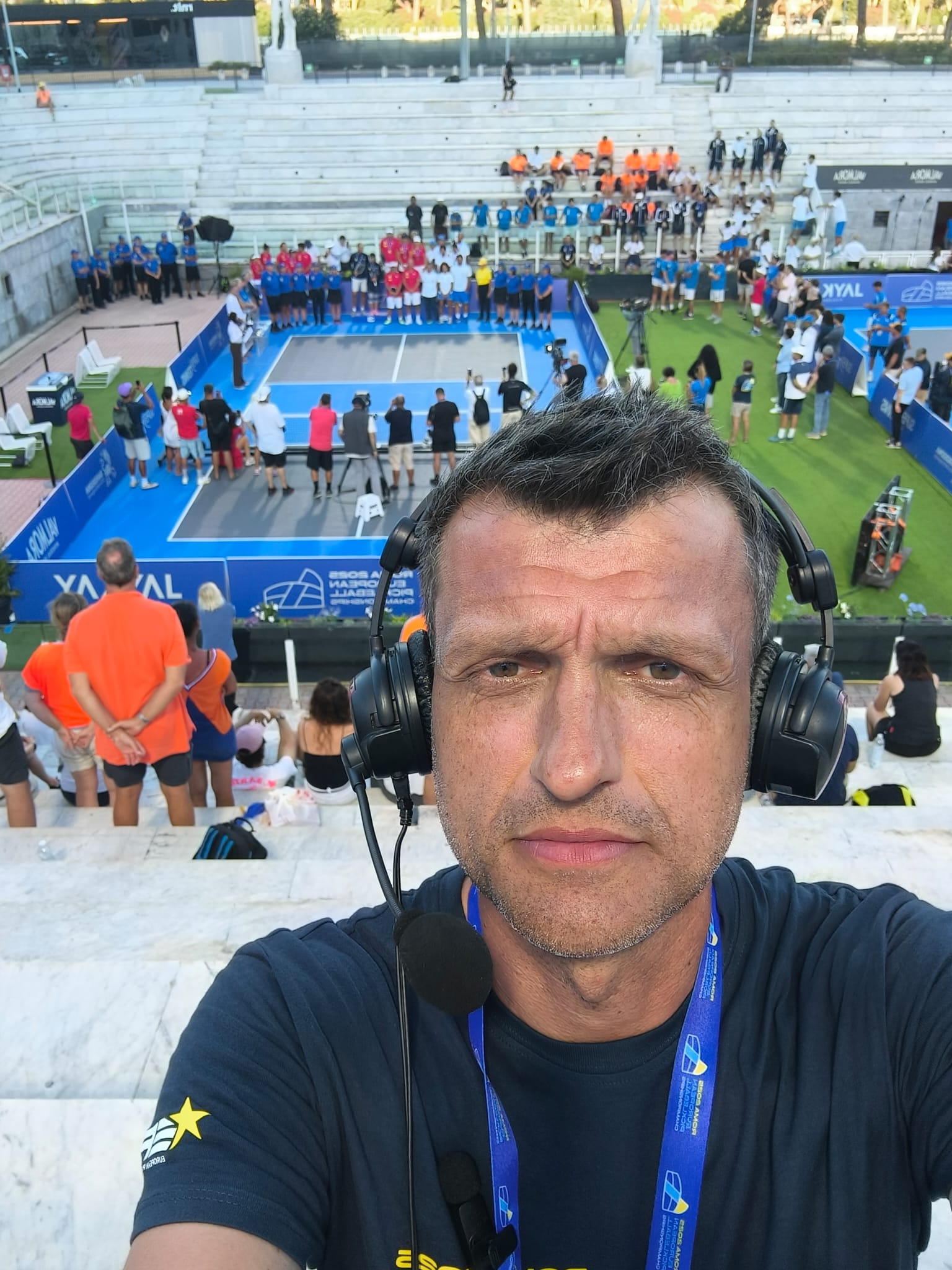
Chris Beaumont
Founder and Editor-in-ChiefChris Beaumont is the founder and Editor-in-Chief of World Pickleball Magazine. Chris follows the global game closely, reporting on the latest news, developments, stories and tournaments from all five continents. He also hosts the World Pickleball Podcast, interviewing people at…
View All Articles →