The Pickleball Association of Bermuda has officially named its national squad for the upcoming Caribbean Pickleball Championships, scheduled to take place from the sixteenth to the twenty-first of March at the WER Joell Tennis Stadium. The announcement highlights both the growing institutional strength of the island’s high-performance sporting programme and the increasingly complex realities of the international professional sporting calendar.
This regional tournament arrives at a critical juncture for Caribbean racquet sports, providing a vital platform for localised talent to secure international ranking visibility within the global pickleball rankings system. However, the host nation will enter the competition without their premier female athlete. Imani Phillips, the island’s top-ranked female player and a crucial component of their gold-medal-winning campaign in the Cayman Islands last year, has withdrawn from national duty to pursue a dense schedule of professional tournaments in Vietnam and across the Asian professional circuit.
This development perfectly illustrates the expanding geographical footprint and commercial pull of the sport, creating new pressures for national federations to balance domestic priorities with their athletes’ global ambitions.
In the absence of their top player, Bermuda will rely on a highly seasoned leadership structure. Gavin Manders and Sasha Fisher have been appointed as co-captains, tasked with steering the elite rosters through the psychological pressures of a home-soil title defence. The men’s elite division features Manders alongside Benjamin Jones, Tom Mills, Mical Russell, and player-coach Jamie Stowe.
The women’s squad sees Fisher anchoring a lineup that includes Patricia Mills, Melisa Judd, Lily Hallett, and Naphisa Smith. The strategic direction of the athletes will be supported by assistant coach John Singleton, with an established list of alternates including Jasper Thomas, Courtney Fisher, and Rachel Sawden prepared to step in if required during the strenuous tournament format.
The organisational rhetoric surrounding the squad announcement reflects a marked shift from recreational participation to serious athletic endeavour. Team leadership has publicly emphasised intention, accountability, and the execution of a deliberate high-performance system constructed meticulously over the past three years.
This systematic approach previously yielded a gold medal at the 2025 Caribbean Nations Cup and sustained competitive appearances at recent iterations of the Pickleball World Cup in 2024 and 2025. George Thomas, the association president, highlighted that the upcoming championship serves as an opportunity to showcase what a community of 63,000 residents can achieve through structured athletic commitment.
What’s the Score?
The absence of a premier national player due to conflicting international individual commitments signals that pickleball has reached a structural inflection point in the Caribbean, mirroring the club-versus-country tensions long established in professional tennis and association football.
Hit it Deeper!
The strategic positioning of the Pickleball Association of Bermuda offers a vital blueprint for micro-nations navigating the explosive global growth of paddle sports. By focusing heavily on internal systems, rigorous discipline, and structured preparation rather than relying solely on individual generational talents, Bermuda is insulating its national team from the inevitable attrition caused by the lucrative international tour circuit. The fact that a Caribbean athlete can now sustain a competitive career pathway in Southeast Asia demonstrates the rapid dissolution of regional boundaries within the professional game.
Furthermore, hosting the Caribbean Pickleball Championships at the WER Joell Tennis Stadium is not merely an administrative achievement; it represents a crucial phase of infrastructure conversion. As traditional tennis venues increasingly adapt to accommodate high-level pickleball events, the visual and commercial standards of the sport are permanently elevated. The local administration is explicitly using this hosting opportunity as a developmental catalyst, banking on the presence of elite regional competition to inspire the next generation of domestic athletes and solidify the sport’s permanence within the Caribbean sporting ecosystem.
This dynamic creates a fascinating pressure test for the current roster. Competing at home demands a specific psychological resilience, particularly when expected to defend a regional championship. The internal messaging from the squad’s leadership emphasises tactical focus and controlled emotional execution, stripping away the promotional excitement to concentrate purely on the mechanics of high-stakes competition. This approach underscores a profound maturation in how emerging national federations are psychologically preparing their athletes for the international stage.
The World Pickleball Magazine Verdict
Bermuda’s upcoming campaign at the Caribbean Pickleball Championships will serve as a definitive barometer for the effectiveness of localised high-performance systems in the face of expanding global opportunities. As the sport professionalises, national federations must continually adapt to the reality that their top players may pursue individual global pathways. The trajectory of the global game relies heavily on robust, highly organised regional blocs like the Caribbean maintaining their competitive integrity. If Bermuda can successfully defend its title relying solely on its domestic developmental pipeline, it will prove that systematic institutional architecture is the most reliable currency in the future of international pickleball.
Further Reading
- Latest Global Pickleball News
- International Tournament Coverage
- World Rankings and Player Profiles
- Caribbean & Regional Development Features
- Global Federation & Infrastructure Analysis
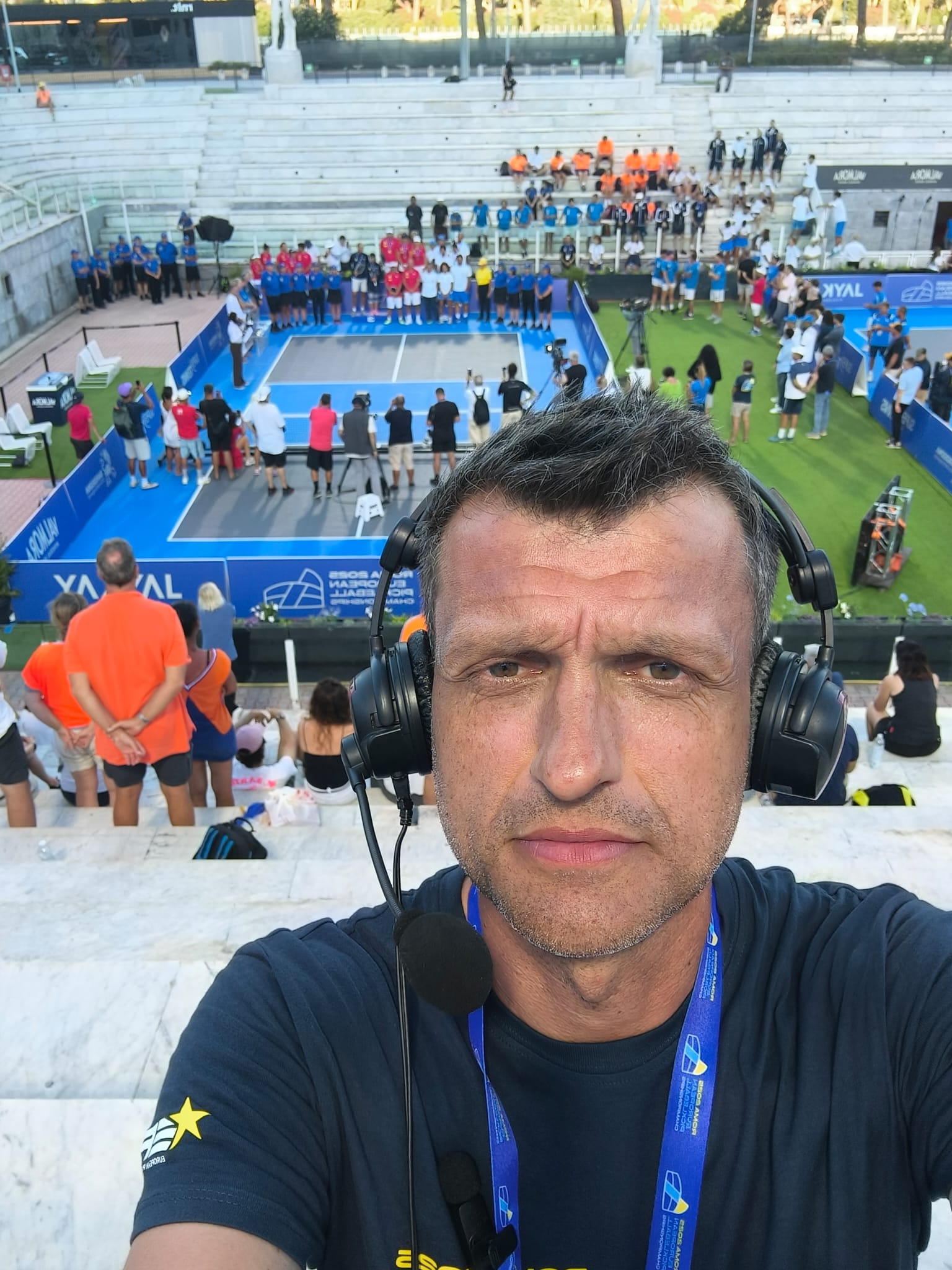
Chris Beaumont
Founder and Editor-in-ChiefChris Beaumont is the founder and Editor-in-Chief of World Pickleball Magazine. Chris follows the global game closely, reporting on the latest news, developments, stories and tournaments from all five continents. He also hosts the World Pickleball Podcast, interviewing people at…
View All Articles →