
News
As The GPF Strengthens Its Governance, Questions Over Pickleball’s Global Future Remain
The GPF has completed its first member-led election, but the lack of visible progress on a wider governance…

Global pickleball development has accelerated from gradual expansion into sustained international momentum. What began as a recreational activity concentrated in North America is now evolving into a structured worldwide sport supported by national federations, professional tours, facility investment, and rapidly increasing participation across multiple continents. This transformation is reshaping not only where pickleball is played, but how it is organised, governed, and commercialised. Participation growth remains the foundation of this expansion. Community clubs, municipal programmes, schools, and private facilities are introducing the sport to new audiences each year. Because pickleball requires limited space, accessible equipment, and adaptable court infrastructure, it can scale efficiently in both urban and regional environments. This flexibility has enabled faster international adoption than many traditional racket sports experienced during their early global phases. Alongside grassroots growth, governance structures are becoming more formalised. National associations and continental federations are establishing competition pathways, coaching standards, officiating frameworks, and ranking systems designed to support long-term stability. While governance models differ by region, the overall direction is clear: pickleball is transitioning from informal expansion toward institutional maturity. This shift is essential for sustaining international competition and securing recognition within the broader sporting landscape. Professional competition is expanding in parallel. Tours that once operated primarily within single countries are now scheduling international events, creating cross-border ranking systems, and attracting global sponsorship. Regional leagues in Europe and Asia, combined with established North American tours, are gradually forming an interconnected competitive calendar. As travel pathways and ranking integration improve, the sport is moving closer to a truly global professional structure. Facility investment represents another critical pillar of development. Dedicated indoor venues, multi-court outdoor complexes, and hybrid racket-sport centres are appearing in cities worldwide. These spaces support tournaments, coaching programmes, community engagement, and commercial activity, creating sustainable ecosystems rather than isolated playing opportunities. Long-term facility planning is increasingly recognised as a prerequisite for meaningful national growth. Commercial confidence is following participation and infrastructure. Sponsors, equipment manufacturers, media platforms, and investors are recognising pickleball’s demographic reach and expansion potential. Broadcast coverage, digital streaming, and event partnerships are extending the sport’s visibility beyond local communities into international audiences. This commercial layer is essential for funding professional pathways and maintaining competitive integrity across regions. Despite this progress, global development remains uneven. Some countries possess mature tournament calendars and funding stability, while others are still building foundational participation. The next phase of pickleball’s international journey will depend on how effectively emerging regions can translate enthusiasm into structure, and how successfully established markets support collaborative global growth. This hub tracks the full landscape of pickleball’s worldwide expansion, bringing together news, federation activity, tournament progress, facility investment, and commercial movement across continents. By viewing development through a global lens, it becomes possible to understand not only where the sport stands today, but where its long-term future will be shaped. Pickleball is no longer expanding quietly. It is building a permanent place within the international sporting world.
The GPF has completed its first member-led election, but the lack of visible progress on a wider governance…

VVV Sports’ TOPSERIES acquisition is more than a funding story. It signals a new battle for control of…

The Philippines has formally recognised pickleball as a professional sport, placing it inside the country’s regulated sporting framework.

Pickleball noise is no longer just a neighbourhood complaint. Engineers and testers are turning sound into a new…
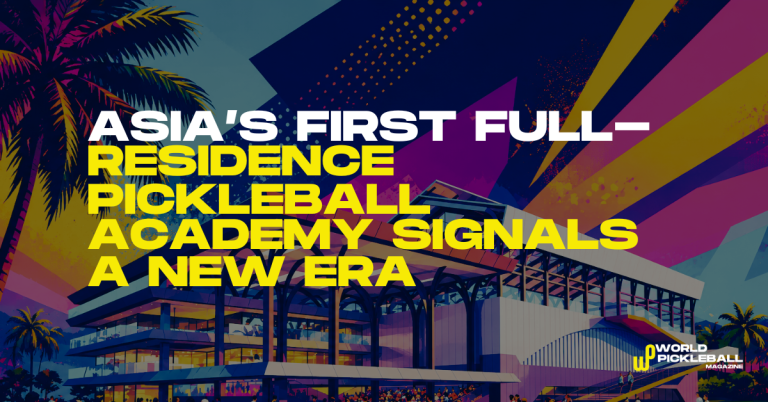
Asia’s first full-residence pickleball academy in China points to a new era of junior pathways, professional training, and…
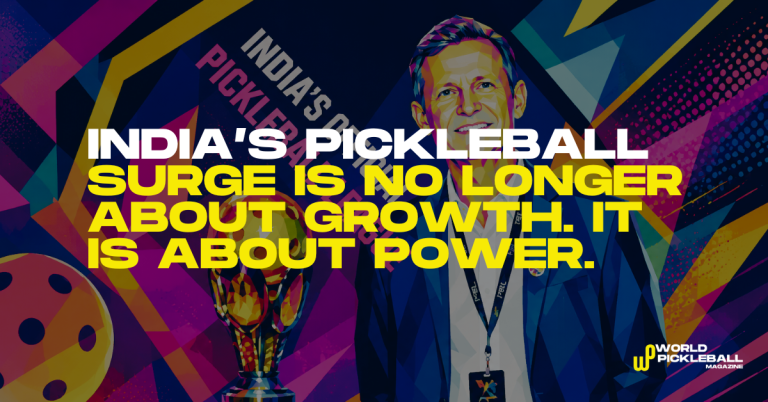
India’s expanding pickleball infrastructure, junior pathways, and institutional backing are creating serious questions about the future balance of…
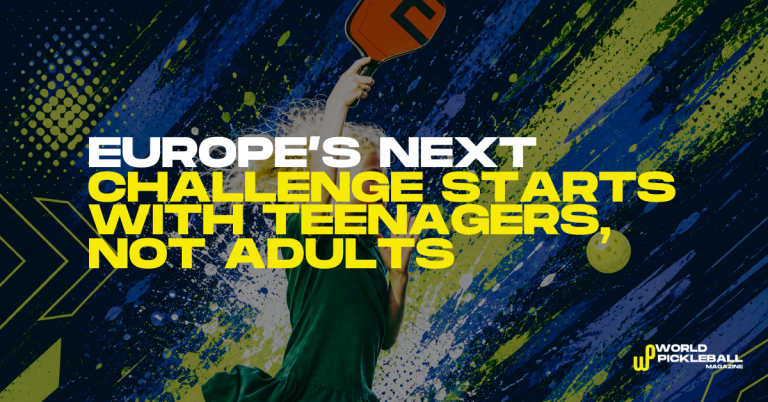
Italy’s Next Gen Pickleball Youth Tournament highlights Europe’s next challenge: building junior pathways before the United States pulls…
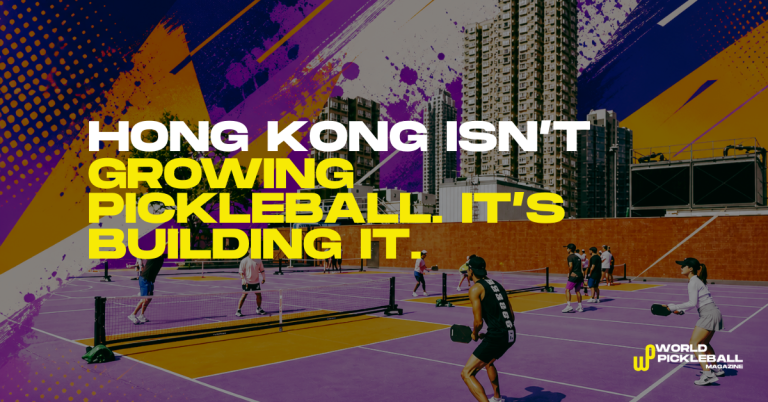
Hong Kong’s new pickleball development programme shows how the sport is moving from scattered growth to structured infrastructure.

India is building a national pickleball system with a clear aim: secure a place in the 2030 Commonwealth…
A new Venezuela vs Trinidad & Tobago event points to a more regional, repeatable model for international pickleball…