by Gordon Watson, Chief Correspondent
For years, professional pickleball didn’t have a centre. Tours emerged. Events multiplied. Regions grew at different speeds. The sport expanded quickly, but without a clear structure at the top.
That phase is ending.
Pickleball is no longer fragmented. It is being organised. And right now, the PPA Tour is the organisation doing it.
Key Takeaways
- The PPA Tour has established itself as the clear centre of professional pickleball through strategic scale, player acquisition, and global expansion into Asia.
- While the APP Tour and earlier pioneers remain relevant, the PPA’s combination of visibility, speed, and structure is unmatched in the current landscape.
- The sport is no longer drifting — it is organising around a hierarchy, and the organisation that controls the highest level defines the game.
This is not accidental. It is the result of clear strategy, consistent execution, and a willingness to move faster than everyone else in a sport still trying to define itself.
Building the System
Under Connor Pardoe, the PPA has built something the rest of the ecosystem is still chasing: clarity.
Players know where the highest level sits. Fans know where to look. Sponsors know where the attention is.
That is how hierarchy forms. Because in a sport growing this quickly, perception becomes reality. And the PPA has positioned itself as the place where the best players, the biggest events, and the most visibility intersect.
It has not just created tournaments. It has created a system. One that connects players, markets, and events into something recognisable and scalable. And crucially, something exportable.
If you’re following how the global game is shifting week by week, the World Pickleball Report breaks this down every Wednesday.
The Global Push
That is where the real shift is happening. The move into Asia, highlighted by the upcoming event in Hanoi, is not just expansion. It is intent.
Taking players like Anna Leigh Waters into emerging markets does more than raise the level locally. It establishes the PPA as the global benchmark.
This is how sports accelerate. You don’t wait for markets to develop. You take the highest level to them, and you let the demand follow.
At the same time, the PPA has moved aggressively in player acquisition, bringing talent from Japan, India, Australia, and Vietnam into its ecosystem. That creates something the sport has not truly had before: a global pathway tied to a single structure.
The Competitive Landscape
Others remain relevant. The APP Tour continues to provide depth, strong competition, and a respected platform, particularly across masters divisions. Earlier pioneers, including the World Pickleball Championship Series, played a critical role in opening international markets and proving there was appetite beyond the United States.
But this is no longer a level playing field. The PPA has combined scale, speed, and visibility in a way no other organisation currently matches. It is not just responding to growth. It is shaping it.
And in doing so, it is defining what the top of the sport looks like.
Why This Matters
That matters more than anything. Because in a sport like pickleball, the organisation that controls the highest level doesn’t just lead the game. It defines it.
The question now is how long that control holds. Pickleball is still moving too quickly for any advantage to feel permanent. Asia is only beginning to open up. China remains largely untouched. New tours, new formats, and new markets will continue to emerge.
Final Thought
But in this moment, the direction is clear. The sport is no longer drifting. It is organising itself around a centre.
And right now, that centre belongs to the PPA.
This article appeared in the April 2026 issue of World Pickleball Magazine.
If you want the full breakdown, including deeper analysis, additional insights, and exclusive content, you can download the full April issue of World Pickleball Magazine here:
Further Reading
- Latest pickleball news from around the world
- Tournament coverage and results
- Rankings and player profiles
- Regional pickleball coverage
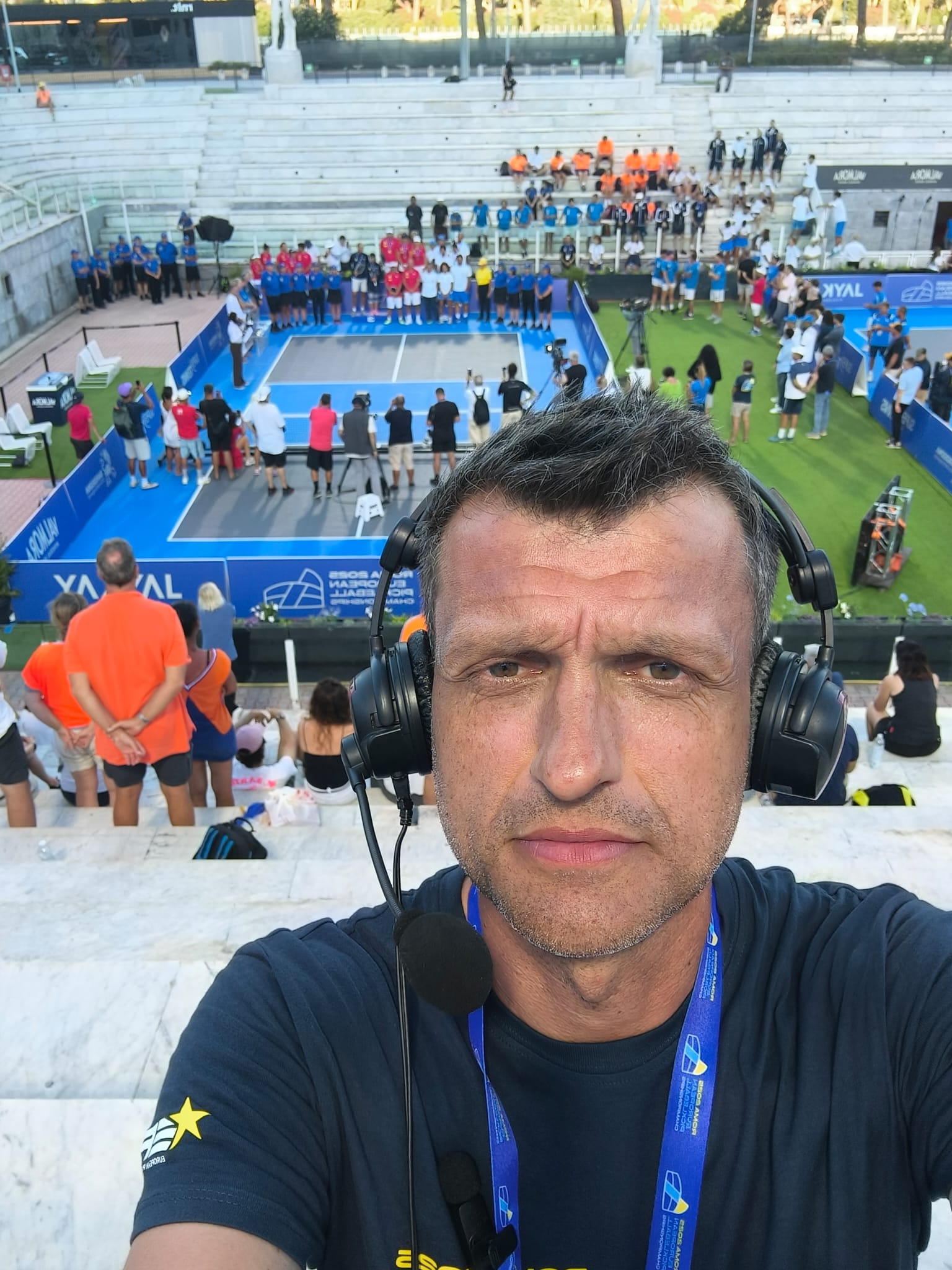
Chris Beaumont
Founder and Editor-in-ChiefChris Beaumont is the founder and Editor-in-Chief of World Pickleball Magazine. Chris follows the global game closely, reporting on the latest news, developments, stories and tournaments from all five continents. He also hosts the World Pickleball Podcast, interviewing people at…
View All Articles →